


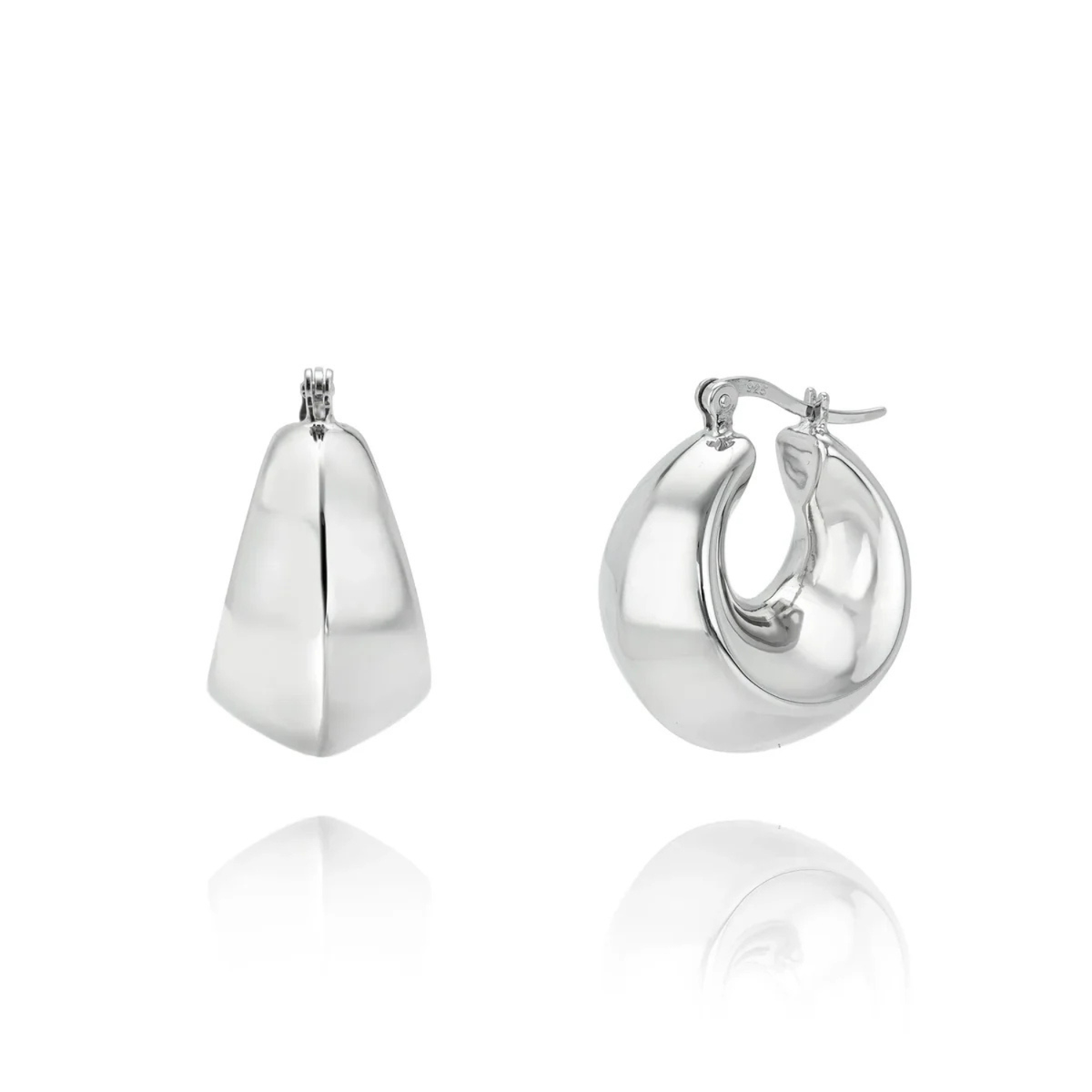
What Is Demi-Fine Jewelry? Materials, Quality & What to Buy
The Mama Bijoux Journal
Demi-Fine vs. Fine Jewelry
What the Difference Actually Means
Jewelry Education | Buying Guide | Fine Jewelry
Demi-fine and fine jewelry get lumped together often, and the two categories are not the same thing. Demi-fine covers sterling silver, gold vermeil, and gold-fill pieces, priced somewhere between fast fashion and an heirloom. Fine jewelry is solid gold or platinum, through and through. Knowing which one you are holding changes how you care for it, how long you can expect to keep it, and whether it is the right piece for the moment you are marking.
What Demi-Fine Jewelry Is Made Of
Sterling silver is the base of most demi-fine pieces. It is 92.5 percent pure silver, stamped 925, and it is a genuine precious metal rather than a coated base metal.
Gold vermeil is sterling silver plated with gold. By FTC regulation, vermeil requires at least 2.5 microns of gold coverage. Anything thinner falls into gold-plate territory, which can wear through within months.
Gold-fill is a different process entirely. A solid layer of gold is mechanically bonded to a brass core, usually five percent gold by weight. It holds up closer to solid gold than to plated silver, and it resists tarnish and water far better than vermeil.
Fashion, Demi-Fine, and Fine: Side by Side
Fashion
Demi-Fine
Fine
Base metal
Brass, zinc
Sterling silver, gold-fill
Solid 14k gold, platinum
Gold treatment
Flash plating
Vermeil or gold-fill
Solid gold throughout
Stones
Glass, acrylic
CZ, semi-precious
Natural diamonds, sapphires, emeralds
Typical lifespan
Months
Two to five years, with care
Generations
The category is real, but the label is not regulated. Some brands call a piece demi-fine while using flash plating underneath. If the price feels too low for the shine, ask what the gold treatment actually is.
Is Demi-Fine Jewelry Real Gold
The surface is. Vermeil starts at 2.5 microns of 10k or higher gold over sterling silver, so what touches your skin is genuine gold. What sits underneath is silver, not gold.
Gold-fill carries a thicker, bonded layer, and many pieces will never visibly wear through with normal use.
Gold-plated, gold-tone, and gold-dipped are a different story. Coverage can be a fraction of a micron, or none at all beneath the marketing language. For anyone with metal sensitivities, sterling silver is nickel-free and generally safe, which is part of why demi-fine has a real place for everyday pieces.
Tarnish, and How to Care for Demi-Fine Pieces
Sterling silver tarnishes because it reacts with sulfur in the air and on skin. It is chemistry, not a flaw, and a polishing cloth reverses it in seconds. Vermeil can develop a slight patina over time as the gold surface wears, and the sterling core beneath can still tarnish. Gold-fill holds up best of the three against everyday sweat and moisture.
A few habits extend the life of any demi-fine piece considerably:
- Take it off before swimming or showering
- Apply perfume and lotion first, jewelry after
- Store pieces separately so metal does not scratch metal
- Wipe dry after wearing
Vermeil can be replated. Solid gold never needs to be.
Why Mama Bijoux Works in Solid 14k Gold
Demi-fine has a real place. It is not what we make. Every Mama Bijoux piece is solid 14k gold, handcrafted in our Costa Mesa atelier, with no plating layer to thin or wear away.
That distinction matters most at the moments people tend to remember. A piece meant to mark a milestone, one you plan to resize, repair, or hand down someday, needs metal that can be worked and reworked over decades. Vermeil cannot be reformed once the gold layer is gone. Solid gold can be restyled, repaired, and passed on, indefinitely.
If the occasion is everyday and the timeline is a few years, demi-fine can be a genuinely good choice. If the occasion is the kind you want remembered, fine jewelry is built for that.
Frequently Asked Questions
What is demi-fine jewelry?
Jewelry made from sterling silver, gold vermeil, or gold-fill, set with genuine or semi-precious stones. It sits between fashion jewelry and fine jewelry in both price and durability. The category is real, though the label itself is not regulated.
Is demi-fine jewelry real gold?
The surface is. Vermeil requires at least 2.5 microns of gold over sterling silver by FTC regulation. Gold-fill uses a thicker, mechanically bonded layer. Neither is solid gold all the way through, which is what separates demi-fine from fine jewelry.
Does demi-fine jewelry tarnish?
Sterling silver tarnishes from natural oxidation, and a polishing cloth reverses it. Vermeil can develop a patina over time as the gold surface wears. Gold-fill resists tarnish best of the three.
What is the difference between demi-fine and fine jewelry?
Fine jewelry is solid precious metal throughout, such as 14k gold or platinum, built to last generations. Demi-fine uses sterling silver or gold-fill with a plated gold surface, and has a natural lifespan of a few years even with good care.
Can demi-fine jewelry be repaired or resized?
Vermeil can be replated by a jeweler when the gold surface wears, which typically restores the piece for a modest cost. It cannot be resized or reworked the way solid gold can, since there is no solid metal body to reshape.
Which should I choose for a milestone gift?
If the piece is meant to be worn for a few years without much thought, demi-fine is a reasonable choice. If it is meant to mark a moment you want remembered, and potentially handed down, solid gold fine jewelry is the one that lasts long enough to carry that meaning.
Mama Bijoux | 234 E 17th St #203, Costa Mesa, CA | shopmamabijoux.com
Leave a comment
This site is protected by hCaptcha and the hCaptcha Privacy Policy and Terms of Service apply.